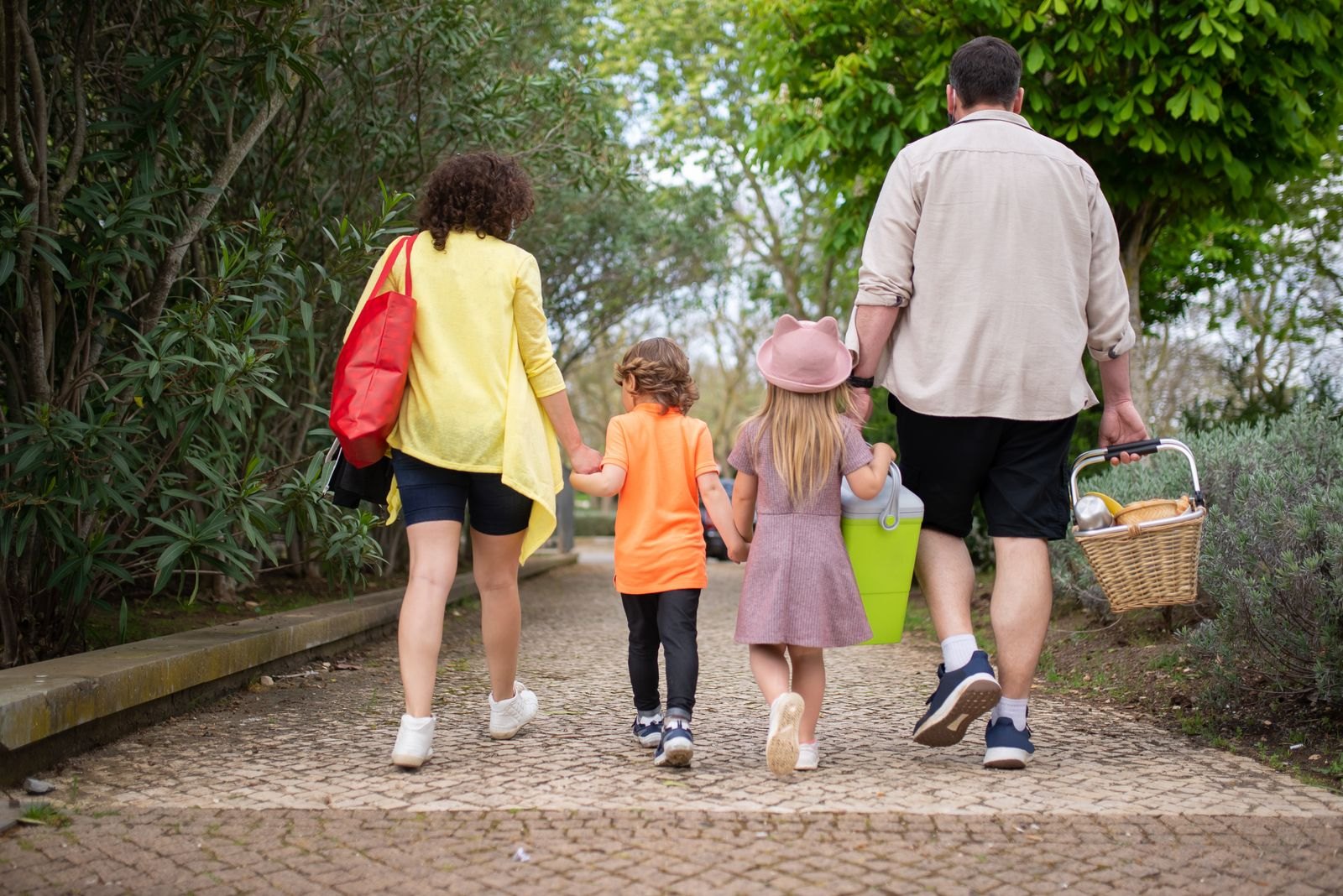
A family day out can become tiring before the main activity begins. Breakfast takes longer than expected, parking is farther away and the extra stop on the way introduces another queue. Choosing one main destination makes those ordinary delays easier to absorb.
Ask what the family most wants from the outing. It might be a museum, a picnic in a park or a visit to someone you care about. Decide which part is the anchor and which ideas can remain optional. A day with one destination can still contain plenty of variety inside it.
Plan the approach as part of the outing
Look at the journey from your door to the actual entrance, including parking, station exits or the walk from a bus stop. Check current opening arrangements and any reservation requirements directly. A map pin for a large park or attraction may not show the entrance you need.
Work backward from a fixed entry time if you have one. Keep the preceding meal simple and avoid adding an errand that could consume the margin. If the destination is flexible, agree on a realistic leaving window instead of repeatedly announcing that everyone should already be ready.
Give the day a short version
Decide what you would keep if the weather changes or energy drops. At a museum, that could be one gallery and lunch. At a park, it might be a shorter walk near the entrance. The smaller version should still include the reason you chose the place.
Pack for likely needs rather than every imagined scenario. Food, water, appropriate clothing and essential care items deserve space; several activities intended to fill every minute may not. Keep the things you need first accessible.
Let the return have room too
Check the journey home before extending the outing. A tired family may find a complicated transfer harder than it seemed in the morning. Leaving while people are still comfortable can make the memory of the day better than staying until the last possible moment.
You can add a nearby stop if it genuinely suits the afternoon, but do not treat empty time as a planning mistake. The aim is to enjoy the chosen place together. A second and third destination are useful only when they improve that experience, not when they make the itinerary look fuller.