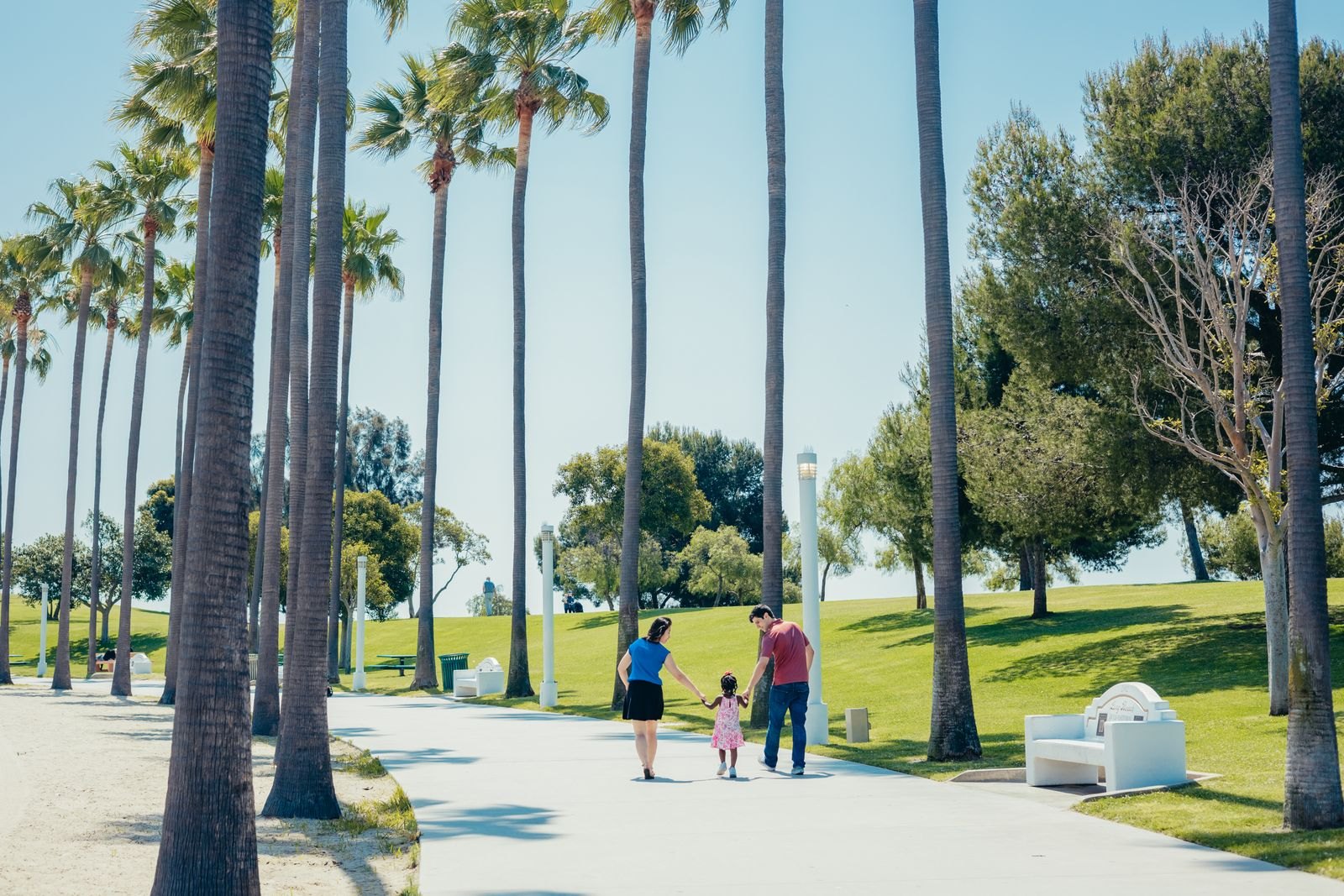
An outdoor activity for people with different walking abilities needs more information than a distance and an easy label. Look at surfaces, gradients, steps, places to rest and the route from parking or public transport. A short path can still be unsuitable if one of those details does not work.
Ask participants what they need and prefer. Do not infer ability from age or decide on someone's behalf that they should stay behind. If a person uses mobility equipment, check the specific route features with the relevant operator or land manager rather than relying on a broad accessibility description.
Choose a shared experience first
A picnic near a viewpoint, a garden visit or a shorter nature route can give everyone something to enjoy together. The activity does not have to be a hike with the same distance completed by every person.
Look for a place where optional extensions begin and end near the shared area, if the group wants that arrangement. Anyone taking an extension needs their own appropriate preparation and a clear reunion plan. Children must remain with the adults responsible for them; a faster group should not accidentally change supervision arrangements.
Check the return as carefully as the outward route
A downhill start means an uphill return. A path that looks manageable in dry conditions may change after rain. Read current notices and consider the day's weather, daylight and facilities. A route description written for another season may not answer today's questions.
Choose a turning point before people are tired. Include a shorter option that still reaches something worthwhile, rather than a backup described only as going home early. Make the decision collectively when possible, without requiring one person to announce discomfort in front of everyone.
Keep the pace conversational
Allow people to stop without treating every pause as a delay. Carry appropriate supplies and follow any individual professional guidance where relevant. Do not pressure someone to exceed a limit because the endpoint appears close.
At the end, ask what worked about the route and what should change next time. The goal is a repeatable way to enjoy being outside together. A plan that respects different abilities can offer more shared experience than a longer route that leaves some people struggling to keep up.