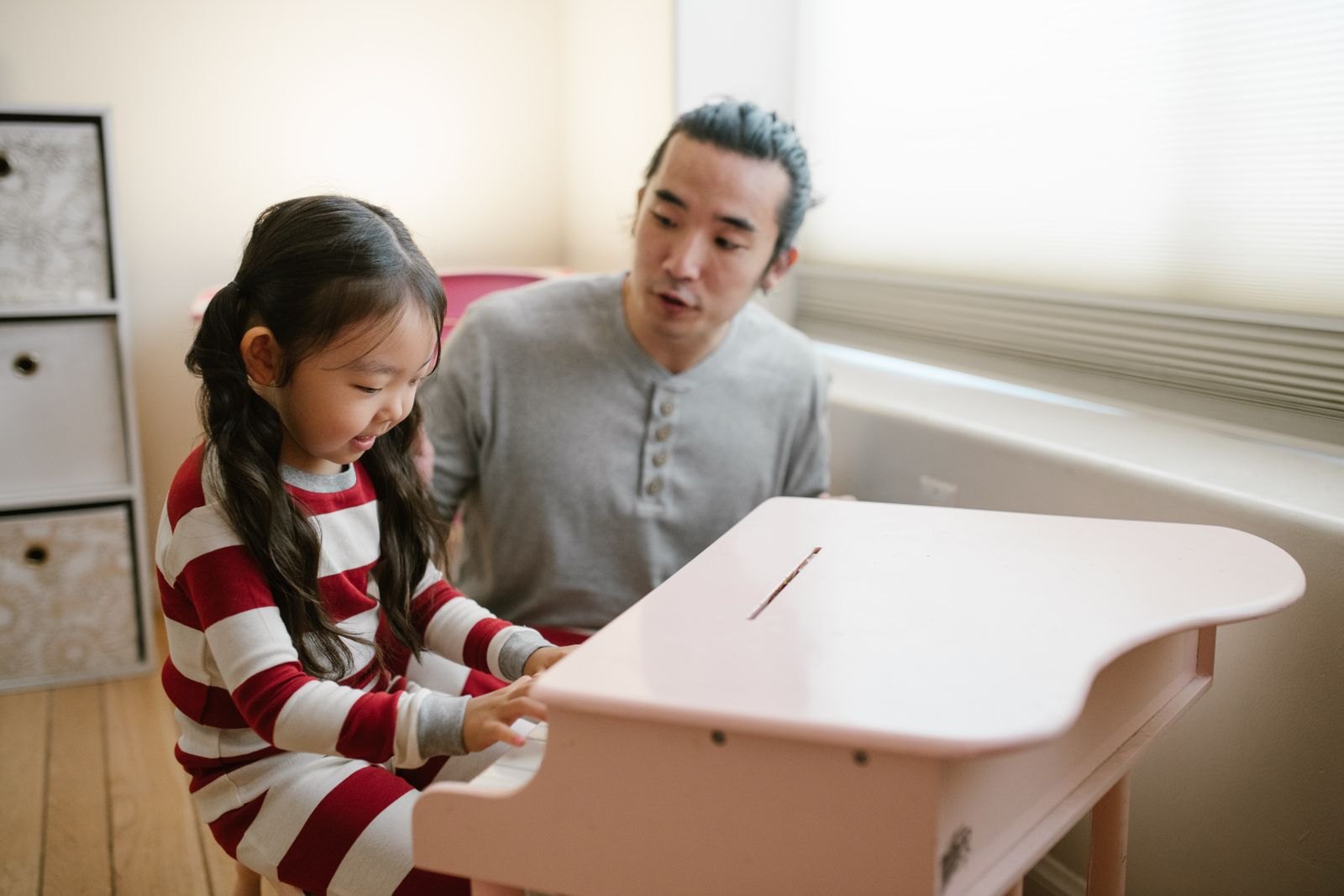
Starting an activity involves more than learning the activity itself. A child may be wondering where to put a bag, who will be there or whether the adult will stay. Find out those practical details before trying to persuade them that the class will be fun.
Check the provider's information about arrival, clothing, equipment and caregiver participation. Tell the child what you know in a short sequence: you will meet the instructor, find a place for your things and begin with the group. If something is uncertain, say that you will ask rather than filling the gap with a promise.
Make the unfamiliar smaller
If the setting offers an appropriate introductory visit or information session, consider using it. A photograph of the entrance or a simple explanation of the room may be enough. Avoid overloading the child with a detailed rehearsal of every possible interaction.
Ask what they want to know. Their concern may be the changing room or the loud music rather than the skill being taught. Share relevant access or support needs with the provider through the appropriate channel. Do not require the child to explain a private concern in front of the whole group.
Prepare the required items together and label them where useful. Check that clothing fits and that equipment is suitable, rather than discovering a problem at the start. Arrive with enough time for the ordinary arrival process, but not so early that a long uncertain wait becomes the main experience.
Give the first session a modest goal
The child may participate fully, join gradually or spend time observing if the setting permits it. Discuss reasonable expectations with the instructor rather than promising the child they can do anything they like once there. A clear arrangement is kinder than conflicting instructions from adult and teacher.
Afterward, ask a specific open question, such as what happened first or what surprised you. Avoid demanding an immediate verdict about the whole activity. Listen to discomfort as well as enjoyment, and distinguish a manageable unfamiliarity from a concern that needs action.
Decide the next step with the child's experience and the provider's information in mind. Preparation can make the setting clearer, but it cannot guarantee enthusiasm. The useful outcome is a child who knows what to expect and knows they can tell you how the experience actually felt.