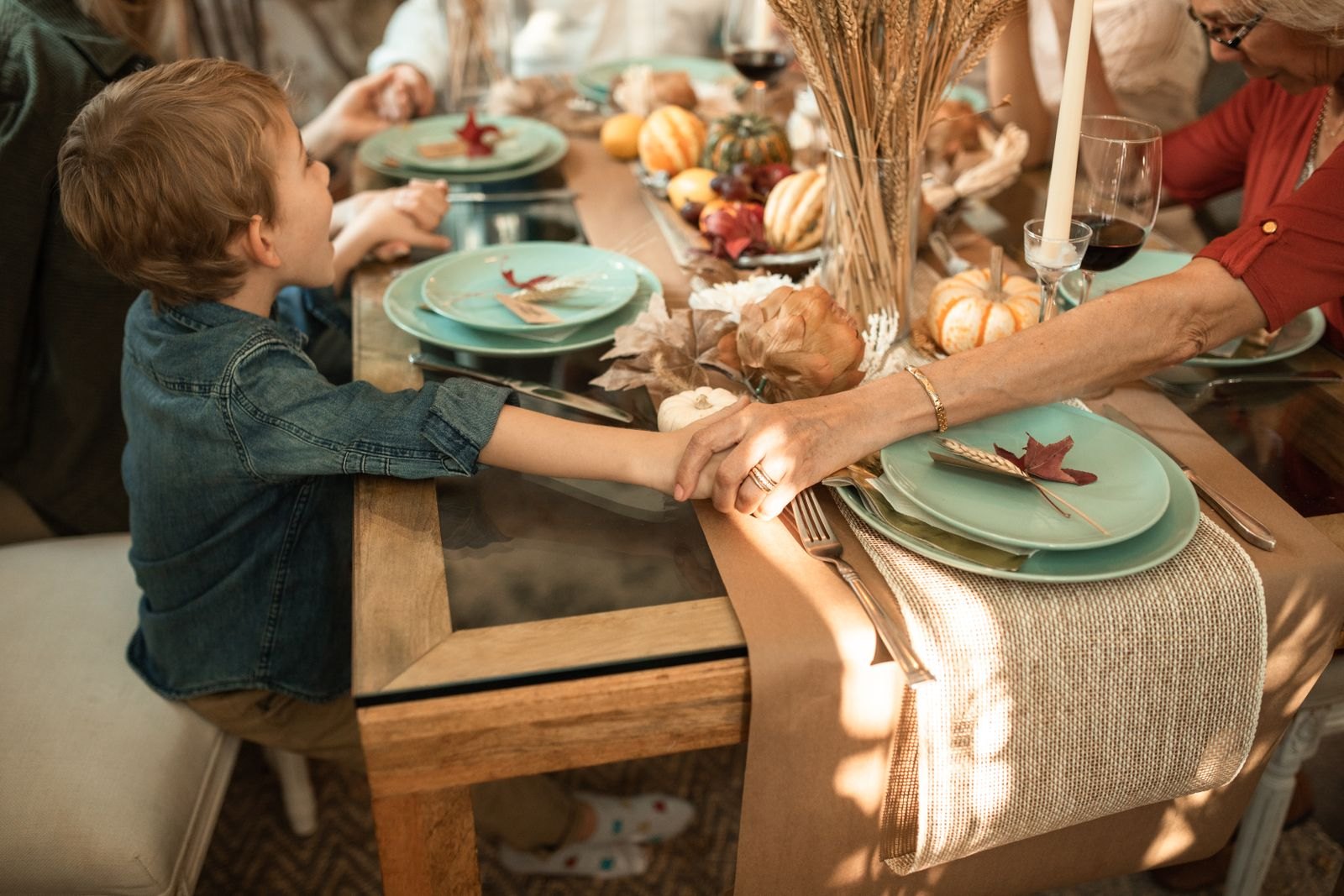
Families can bring together different cultural, religious and household traditions. Sometimes the differences are welcome; sometimes they create uncertainty about dates, food or expectations. Begin by asking what each practice means to the people who value it rather than assuming that all traditions are interchangeable activities.
Invite each person to name the parts they most want to preserve. One may care about a particular meal, another about time with relatives and another about a religious observance. The answer may be smaller and more specific than the full event you imagined.
Do not force a single combined version
Some customs can sit comfortably together, while others deserve separate occasions or different spaces. Combining everything can dilute the meaning or create a complicated day that satisfies nobody. It is reasonable to observe different traditions at different times.
Ask questions respectfully when a practice is unfamiliar. Let the person connected to it explain what participation means and what should not be treated casually. Avoid assigning someone the job of representing an entire culture or answering every possible question on demand.
Share preparation, not just attendance
Find out what work the occasion requires. If one person is the only one who knows the recipe or sequence, another can still handle shopping, setup or cleanup. Learning a task together can be part of sharing the tradition, provided the person teaching wants that role.
Children may have their own relationship to the practices around them. Offer explanations and opportunities to participate without requiring an identical emotional response. Adults should handle disagreements about scheduling and resources rather than making children choose sides.
When relatives have expectations, state the household's plan clearly. You can respect a tradition without reproducing every part in every year. Distance, work and changing family circumstances may require an adapted version.
After an occasion, talk about what felt meaningful and what was difficult. Keep the discussion specific: a rushed meal, an unclear role or too much travel can often be changed. A family does not need one perfectly unified set of customs. It needs room for people to understand one another and to take part in ways that remain respectful and manageable.