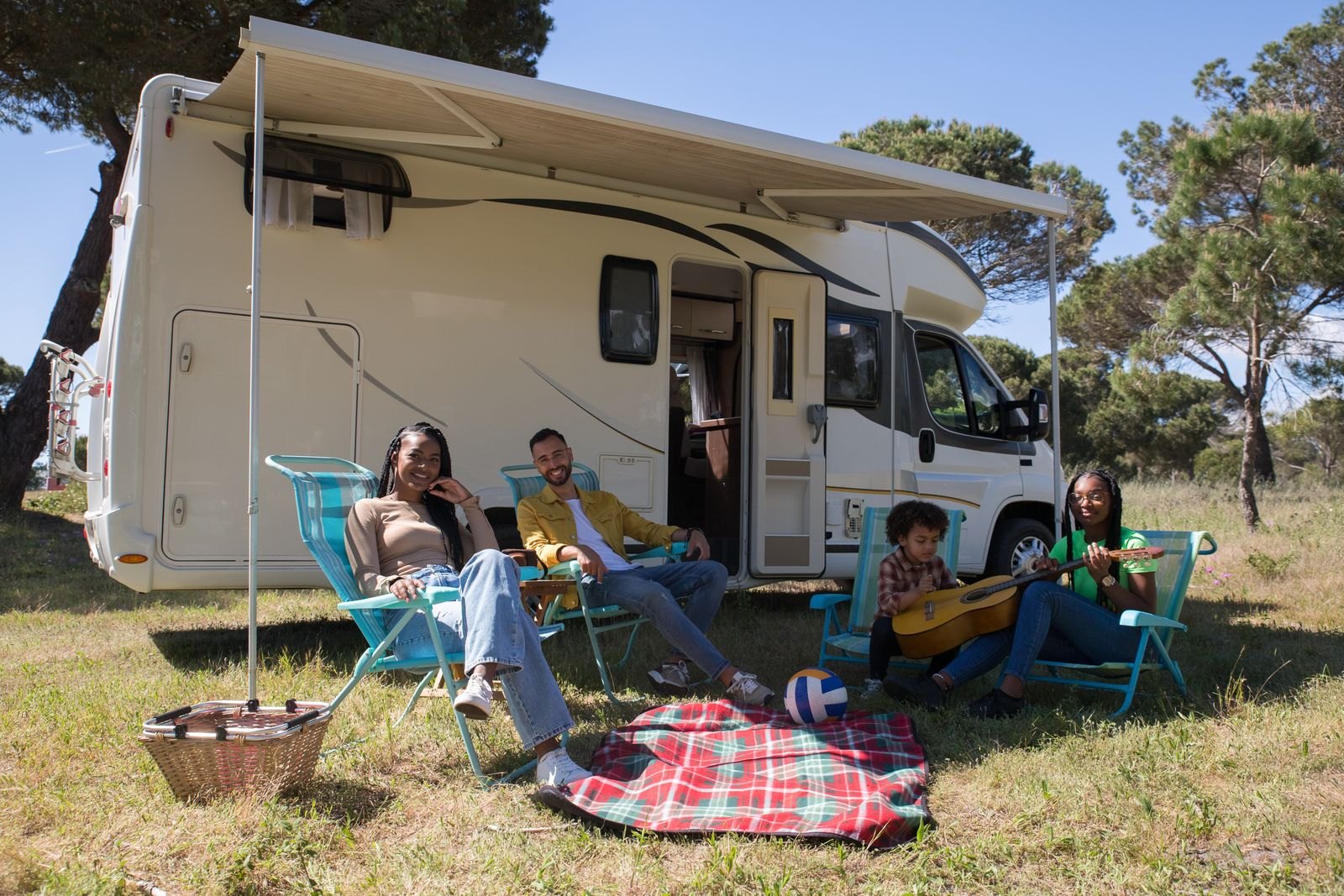
An outing with another family can be enjoyable without requiring everyone to move as one group all day. Start by discussing the destination, expected cost and broad timing. Differences in children's ages, meals and energy may matter more than whether the adults like the same attraction.
Choose a plan with room to separate briefly if needed. A destination offering several nearby activities may be easier than a single long guided experience that everyone must complete together. Check reservations before assuming that the whole group can enter at the same time.
Be clear about responsibility
Each family should know who is supervising which children. Friendship does not make supervision automatic, and a larger group can create gaps when adults assume someone else is watching. Make any handoff explicit.
Discuss relevant needs before choosing food or activities. You do not need to exchange private details beyond what is necessary, but an important dietary, accessibility or timing requirement should not emerge only after a nonrefundable booking has been made.
Keep money straightforward
Decide how shared costs will be handled. Separate purchases may be simplest; if one person books for everyone, confirm the amount and repayment arrangement before paying. Avoid assuming that another family's budget matches yours.
For optional extras, allow a family to decline without making the rest of the day awkward. A child seeing friends receive something does not mean every parent must make the same purchase. Clear expectations between adults can help prevent that moment from becoming a surprise negotiation.
Give the plan an easy split point
Agree that one family can leave earlier or take a break if needed. Choose a recognizable reunion point if you expect to meet again, and keep contact details accessible. Do not rely on a vague promise to find each other somewhere inside a busy venue.
Let children choose how much they want to play together. A friendship between adults does not guarantee that the children will enjoy every activity as a group. Parallel play, separate interests or a quieter interval can all belong to the outing.
At the end, notice which shared moments worked. The next plan may be shorter or more flexible. A good day together is not measured by how long everyone stayed in the same place, but by whether the arrangement left room for both households to enjoy it.