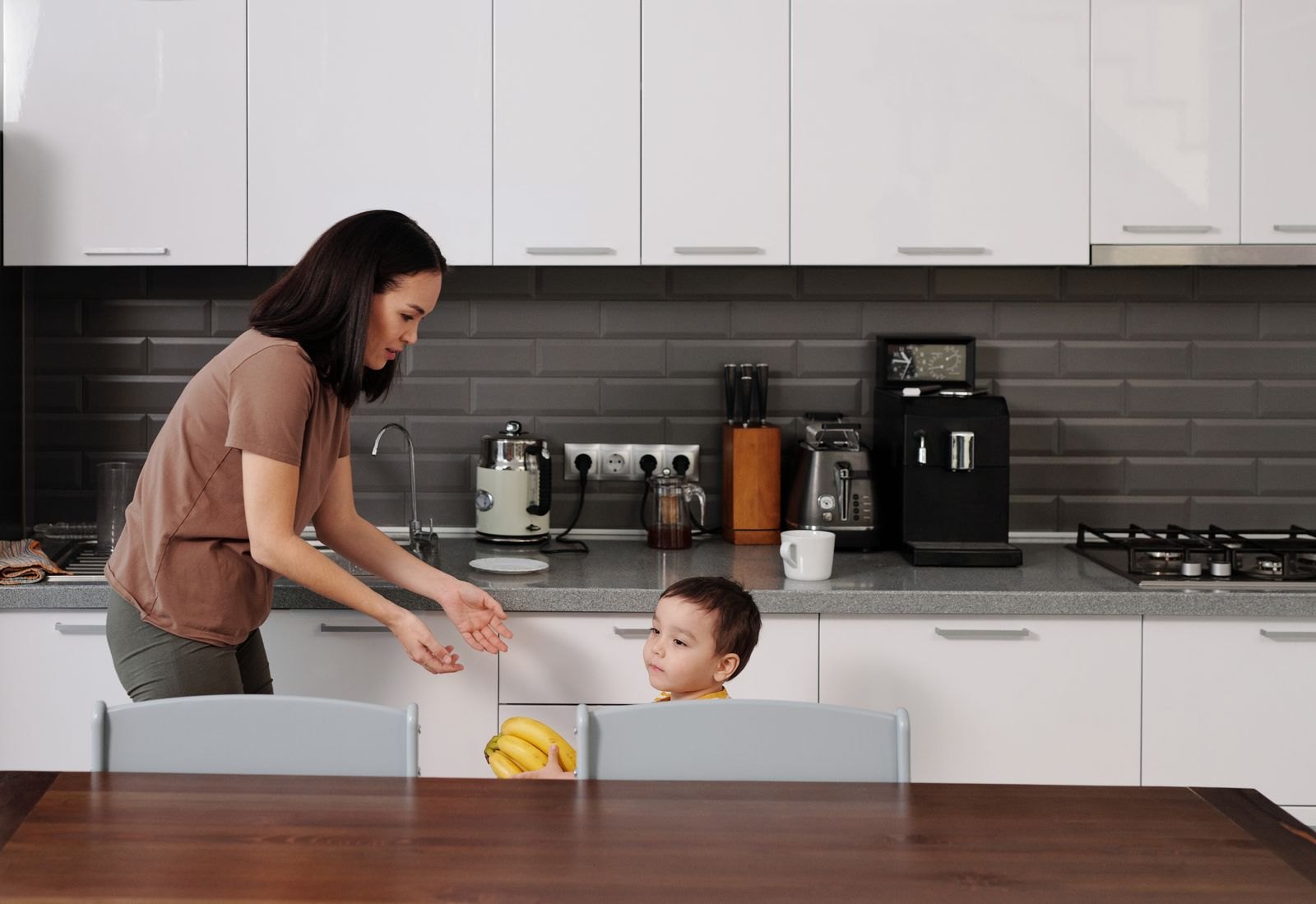
When one adult leaves early, the other can become responsible for everything still happening at home. Sometimes that is the only workable arrangement, but it should be understood rather than accidental. Divide the morning across the whole household schedule, including preparation the night before.
List the tasks that need to happen: breakfast, dressing, bags, care routines and transport. Note which can be completed in advance and which require an adult at a particular time. This makes it easier to share work even when departure times cannot be equal.
Give the early adult a complete contribution
Preparing lunch containers, checking the calendar or laying out required equipment can remove work from the later part of the morning. Choose a task that can actually be finished, not a partial action that leaves someone else to find the missing pieces.
For example, placing a clean lunch container on the counter is different from preparing the lunch if that was the agreed job. Be clear about the outcome and any food-storage needs. The aim is not to inspect each other's work, but to avoid two different definitions of finished.
Imagine one adult leaves before the children wake and the other handles school departure. The early adult might prepare the bags and check lunch supplies the previous evening, while the later adult handles breakfast and the final clothing check. If a bag is not ready, the handoff should say what is missing. The arrangement can then be adjusted without requiring the later adult to investigate every part from the beginning.
Name the changeover
Before leaving, share any information that affects the remaining morning: a missing item, a changed pickup or a child who needs more time. Use a brief direct handoff rather than several messages sent after the other adult is already busy. Urgent changes need acknowledgement, not just a note in a place nobody will look.
The adult who remains should not have to answer every planning question while supervising children and preparing to leave. Resolve ordinary decisions earlier where possible. Children can manage appropriate steps themselves, but adults remain responsible for the overall plan and safety.
Review the uneven days
If one person consistently carries the hardest part of the morning, consider how other household work can balance that load. Fairness can operate across the day or week rather than inside one hour. A later work start does not necessarily mean unlimited spare capacity.
When schedules change, revisit the arrangement. A new school time, commute or care need can make an old division impractical. Adjust one or two responsibilities and try again. The morning is more manageable when everyone knows what they own and what has been handed over, rather than guessing from who is still standing in the kitchen.