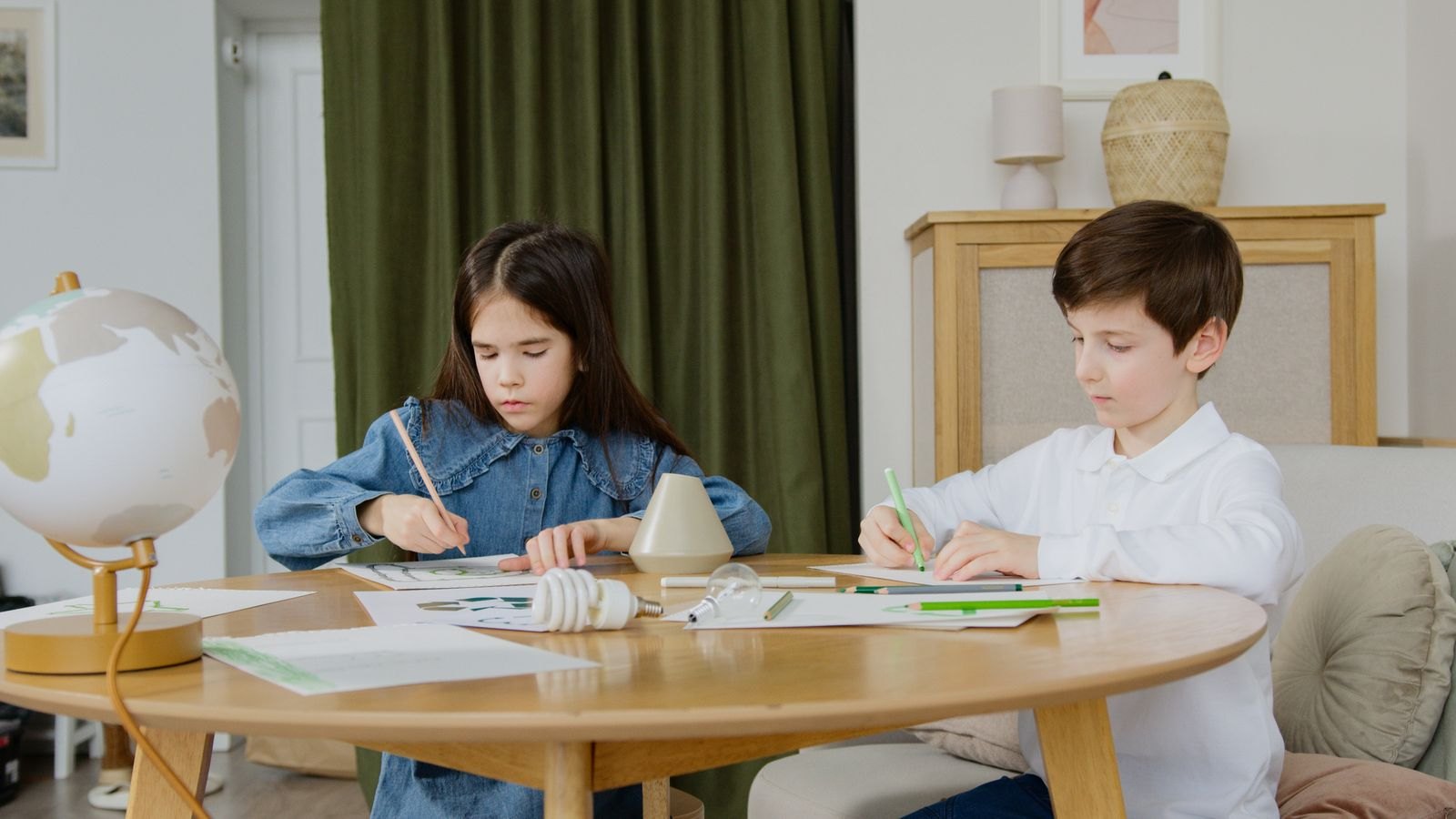
Sometimes an activity fails to find its moment. The supplies are ready, the idea looked appealing and the children would rather do something else. Before adding encouragement, more instructions or a promised reward, pause and consider whether continuing would help anyone.
Look at the practical causes first. The scissors may be difficult to use, the space may be crowded or the task may require more waiting than expected. A hungry or tired child may not need a better explanation of the craft. They may need a different next step.
Change one obstacle
Offer a specific adjustment if the child still seems interested. An adult can handle difficult cutting, a large project can become a smaller one or each child can have a separate sheet. Then see whether the change actually helps.
Avoid repeatedly rebuilding the activity while insisting that it is fun. If interest is absent, more supplies may only create more cleanup. Ask whether the child wants help, a different approach or to stop, using choices that are genuinely available.
Let an unfinished result remain unfinished
A half-made object does not need an adult to complete it for the sake of the photograph. Ask whether the work should be saved for later, reused or put away. If materials have a limited usable time, explain that simply without making the child responsible for the cost of every abandoned idea.
When several children are involved, one person's departure does not have to end the session for everyone. Arrange an appropriate alternative and make supervision clear. Equally, do not require the remaining children to continue because one person is still enthusiastic if the setting no longer works.
Notice something useful afterward
Perhaps the child liked choosing colors but not following a pattern. Perhaps the activity needed fewer steps or a different time of day. Use that information when offering another idea rather than describing the child as someone who never enjoys activities.
There is also no obligation to turn every unsuccessful afternoon into a lesson. Clean up, move on and let the next day begin without carrying the disappointment forward. Stopping can preserve a child's willingness to try again, because an invitation that is easy to leave feels different from a task that must be completed at any cost.